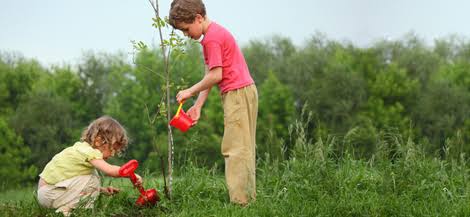
Trees are one of the most important components of a healthy natural environment. They provide oxygen, absorb carbon dioxide, improve air quality, and help maintain ecological balance. They also offer shelter to wildlife, protect soil from erosion, and reduce the effects of extreme temperatures. Despite their importance, trees face several challenges, including pollution, drought, diseases, and improper maintenance. Therefore, adopting effective tree care practices is essential for protecting these valuable natural resources.
1. Choosing the Right Trees for Planting
Successful tree care begins with selecting appropriate tree species. Different trees have different requirements for sunlight, water, soil, and temperature. Choosing native species that can adapt to local environmental conditions often improves survival rates. It is also important to consider the available planting space and the expected size of the tree when fully grown.
2. Maintaining Healthy Root Systems
Roots are responsible for absorbing water and nutrients from the soil and keeping trees stable. Damaged or weak roots can affect the entire tree. To protect root systems, avoid unnecessary digging, excessive soil compaction, and construction activities near trees. Adding organic mulch around the root zone can help maintain suitable moisture and soil temperature.
3. Using Proper Watering Techniques
Watering is essential for maintaining healthy trees, especially during their early growth stages. Young trees need consistent moisture while their roots become established. Deep watering allows water to reach the lower soil layers, encouraging stronger root development. However, watering frequency should depend on weather conditions, soil type, and the needs of each tree species.
4. Improving Tree Growth Through Natural Fertilization
Trees need nutrients to develop healthy leaves, branches, and roots. Organic compost and suitable soil amendments can improve soil fertility and support beneficial microorganisms. Before applying fertilizers, it is useful to understand the soil’s nutrient levels. Excessive fertilization should be avoided because it may damage roots and contribute to environmental pollution.
5. Protecting Trees from Extreme Weather
Weather conditions can have a major influence on tree health. High temperatures and drought may cause water stress, while strong winds and storms can break branches. Proper species selection, healthy soil, and regular inspections help trees withstand changing weather conditions. Damaged or unstable trees should be assessed by qualified professionals.
6. Maintaining Trees in Public and Private Spaces
Trees require protection whether they grow in gardens, parks, roadsides, or commercial properties. Avoid damaging their trunks, cutting healthy branches unnecessarily, or placing heavy materials near their roots. Regular maintenance and proper landscaping practices help preserve trees while keeping outdoor areas attractive and safe.
7. Promoting Environmental Awareness
Education plays an important role in tree conservation. People should understand how trees contribute to human health, biodiversity, and climate protection. Schools, local organizations, and communities can organize awareness campaigns and tree-planting activities. Encouraging responsible environmental habits can inspire more people to participate in protecting nature.
Conclusion
Tree care is an essential responsibility that supports environmental health and long-term sustainability. Selecting suitable species, protecting roots, watering properly, improving soil quality, and preventing physical damage can help trees remain healthy for many years. Individuals and communities should work together to preserve existing trees and increase green spaces. By caring for trees today, we can create a cleaner, greener, and healthier environment for future generations.
Leave a Reply