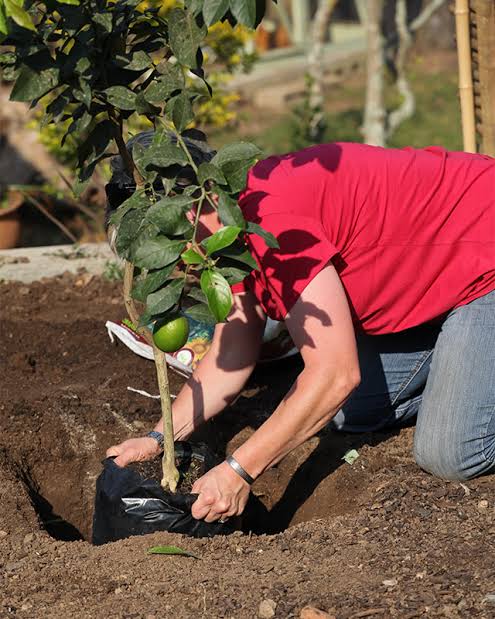
Trees experience changing conditions throughout the year, and each season brings different maintenance needs. Temperature fluctuations, rainfall, sunlight, and seasonal growth patterns all influence how trees develop. A consistent tree care routine helps property owners respond to these changes while protecting the health, appearance, and structural strength of their landscapes.
Spring is an important period for observing new growth. As temperatures rise, trees begin producing fresh leaves, flowers, and shoots. This is a useful time to inspect branches for winter damage and look for signs of insects or disease. Broken limbs, cracked bark, and unusual discoloration should be examined before they create larger problems. Young trees may also benefit from additional watering as their roots continue developing.
Pruning decisions during spring should depend on the tree species and its flowering habits. Some trees are best pruned while dormant, while others benefit from pruning after their flowers have faded. Removing dead or damaged branches can improve safety and encourage healthier development. However, unnecessary cutting should be avoided because excessive pruning may reduce a tree’s ability to produce energy and recover from environmental stress.
Summer maintenance often focuses on moisture management. Hot temperatures and limited rainfall can place considerable pressure on trees, particularly those planted recently. Soil should be checked regularly to determine whether additional watering is needed. Deep watering helps moisture reach the root zone instead of evaporating quickly from the surface. Applying mulch around the tree can also help maintain consistent soil conditions and reduce competition from nearby grass.
Summer is also a time when pest activity may become more noticeable. Insects can damage leaves, weaken branches, or create openings for disease. Some infestations cause visible changes, such as curled leaves, unusual spots, or premature leaf loss. Regular observation allows property owners to identify these symptoms before the damage becomes extensive. When an issue is difficult to identify, professional advice can help determine the appropriate response.
Autumn provides an opportunity to prepare trees for colder weather. As leaves change color and fall, property owners can inspect the canopy and identify branches that may need attention. Fallen leaves can be collected from lawns and walkways, although healthy leaves may also be used as organic material in suitable garden areas. Newly planted trees may need continued watering until the ground begins to freeze, especially when autumn rainfall is limited.
Winter maintenance requires a different approach. Many deciduous trees enter dormancy, making their branch structure easier to examine. This period can be suitable for certain pruning tasks, depending on the species and local growing conditions. Property owners should also watch for damage caused by snow, ice, and strong winds. Heavy ice accumulation can place significant weight on branches, increasing the possibility of breakage.
Soil protection remains important throughout the year. Tree roots often extend well beyond the visible canopy, meaning activities around the tree can influence its health. Parking vehicles, storing heavy materials, or repeatedly compacting the ground near the trunk can restrict root development. Maintaining a suitable mulch area and avoiding unnecessary disturbance can support healthier growing conditions.
Professional tree inspections are particularly valuable when trees develop large dead branches, visible cracks, unusual leaning, or signs of decay. These conditions may indicate structural weaknesses that are difficult to evaluate without experience. Qualified tree care specialists can assess potential risks and recommend appropriate maintenance. Dangerous pruning and removal work should never be attempted without the necessary training and equipment.
Seasonal maintenance is most effective when it becomes part of a long-term property care plan. Instead of waiting until a tree develops serious problems, regular inspections and timely attention can help prevent avoidable damage. Healthy trees improve outdoor spaces, provide shade, support local wildlife, and contribute to the overall value of a property. With suitable care throughout the year, they can remain attractive and resilient for generations.
Leave a Reply