Trees add beauty, shade, and natural character to residential and commercial properties. They also provide environmental benefits by improving air quality, supporting wildlife, and helping manage rainwater. However, trees need regular attention to remain healthy and safe. Proper tree care protects their long-term growth while reducing the risk of falling branches, damaged roots, and other problems that can affect nearby buildings and outdoor spaces.
One of the most important parts of tree maintenance is understanding the condition of each tree. A tree may look healthy from a distance while developing problems inside its trunk or beneath the soil. Discolored leaves, dead branches, unusual leaning, cracked bark, and fungal growth can indicate that something is wrong. Recognizing these warning signs early gives property owners an opportunity to address concerns before they become more serious.
Pruning is another essential part of responsible tree care. Removing dead, damaged, or poorly positioned branches can improve a tree’s structure and reduce unnecessary weight. It also allows sunlight and air to reach more of the canopy. However, pruning should be performed carefully because removing too much foliage can weaken a tree. Cutting branches at the wrong locations may also create wounds that make it easier for pests and diseases to enter.
Healthy soil is equally important for strong tree development. Roots need access to oxygen, moisture, and essential nutrients. Compacted soil can restrict root growth, especially in areas where vehicles, construction equipment, or frequent foot traffic are common. Adding an appropriate layer of organic mulch around the base of a tree can help retain moisture and improve soil conditions. Mulch should be spread evenly without touching the trunk, as excessive moisture against the bark can encourage decay.
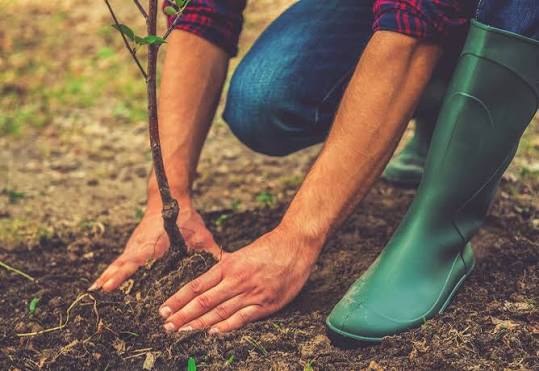
Watering practices should reflect the age, species, and location of the tree. Newly planted trees generally require more consistent watering while their root systems become established. Mature trees may need additional water during extended dry periods, particularly when they grow in exposed areas or poor soil. Deep watering is often more beneficial than frequent shallow watering because it encourages roots to develop farther into the ground. At the same time, excessive watering should be avoided because waterlogged soil can damage roots.
Trees also face threats from insects and diseases. Some pests feed on leaves, while others damage bark, branches, or internal wood. Fungal infections can cause leaf discoloration, branch dieback, and structural weakness. Monitoring trees throughout the growing season makes it easier to notice unusual changes. Property owners should avoid applying treatments without identifying the underlying problem, since the wrong product or application method may cause additional damage.
The location of a tree should also be considered when planning maintenance. Branches growing close to roofs, windows, power lines, and outdoor structures may eventually create safety concerns. Roots can also interact with sidewalks, driveways, drainage systems, and foundations. Trees should be planted with enough space to accommodate their expected mature size. Selecting suitable species for the available space can prevent many future maintenance challenges.
Seasonal inspections provide another useful way to protect trees. Spring is a good time to check for winter damage and observe new growth. During summer, attention should be given to watering needs, insect activity, and signs of heat stress. Autumn offers an opportunity to remove hazardous deadwood and prepare young trees for colder conditions. Winter can make structural problems easier to identify because the branches are more visible without leaves.
Some tree care tasks can be handled by property owners, but larger or more complicated jobs require professional experience. Removing heavy limbs, working near electrical lines, and evaluating potentially unstable trees can be dangerous without proper training and equipment. A qualified tree care professional can assess the condition of a tree and recommend appropriate maintenance based on its species, location, and overall health.
Investing in regular tree maintenance helps protect both the landscape and the property surrounding it. Healthy trees are more resilient, attractive, and valuable over time. With careful watering, proper pruning, soil management, and timely inspections, property owners can create outdoor spaces where trees remain strong and beneficial for many years.
Leave a Reply