Trees are a valuable part of any outdoor environment, offering benefits that extend far beyond their appearance. They provide shade, improve air quality, support local wildlife, and help create more comfortable surroundings. However, maintaining healthy trees requires regular attention to their physical condition and growing environment. A consistent maintenance routine can prevent common problems, improve safety, and help trees remain productive and attractive for many years.
Understanding the condition of a tree is the foundation of effective maintenance. Different species have unique growth patterns and environmental requirements. Some varieties tolerate dry conditions, while others need consistent moisture and nutrient-rich soil. Property owners should become familiar with the normal appearance of their trees so they can recognize unusual changes. Discolored leaves, damaged bark, weak branches, and unexpected growth patterns may indicate that something needs attention.
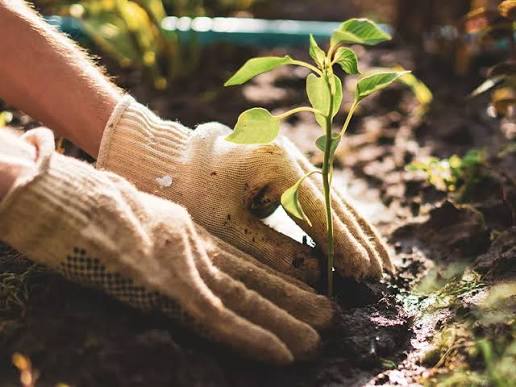
Proper planting is one of the most effective ways to prevent future tree problems. Selecting a suitable location allows roots to develop naturally and gives branches enough room to expand. Before planting, it is important to evaluate sunlight exposure, soil drainage, and available space. Trees should also be positioned away from underground utilities and structures that may interfere with their mature growth. Choosing species that adapt well to local conditions can reduce the need for frequent corrective maintenance.
Water management is another essential part of tree health. Young trees require regular moisture while establishing their root systems, whereas mature trees may need additional watering during prolonged dry periods. Deep watering encourages roots to develop further into the soil, improving access to moisture. Applying water slowly also reduces surface runoff and allows the ground to absorb it more effectively. Property owners should monitor soil conditions to avoid both dehydration and excessive saturation.
Soil improvement can make a significant difference in how well trees develop. Roots need oxygen, nutrients, and moisture to support healthy growth. Compacted soil can interfere with these essential requirements and restrict natural root expansion. Organic mulch is useful because it helps conserve moisture, regulate soil temperature, and limit weed competition. As mulch decomposes, it adds organic material to the surrounding soil. Keeping the trunk uncovered is important for preventing unnecessary moisture buildup.
Pruning should be performed as part of a responsible tree maintenance plan. Removing dead, damaged, or diseased branches can improve safety and help maintain a balanced canopy. Proper pruning also allows better airflow and sunlight distribution throughout the tree. However, removing healthy branches without a clear reason can weaken its natural structure. Different species have different pruning requirements, so understanding the appropriate timing and technique is important.
Pest and disease monitoring helps prevent minor concerns from developing into major problems. Insects can damage leaves, bark, and internal tissues, while diseases may cause discoloration, decay, and declining branch health. Some warning signs include unusual spots on leaves, holes in the trunk, sticky substances, and premature leaf dropping. Identifying the specific cause is essential because different problems require different management approaches. Regular inspections and timely professional advice can protect valuable trees from extensive damage.
Seasonal maintenance also plays an important role in long-term tree health. Spring is an appropriate time to examine new growth and identify damage caused by winter conditions. During summer, watering and monitoring for heat stress become more important. Autumn provides an opportunity to inspect branches and prepare the landscape for colder weather. Winter inspections can reveal structural weaknesses that are difficult to notice when trees have dense foliage.
Professional arborists provide specialized knowledge for situations that require advanced maintenance. They can evaluate tree health, inspect structural weaknesses, recommend suitable pruning techniques, and identify potential hazards. Their assistance is particularly valuable for mature trees, storm-damaged branches, and trees growing close to buildings or power lines. Hiring qualified professionals helps ensure that complicated work is completed safely.
Healthy trees are maintained through consistent observation and preventive care. Providing suitable growing conditions, protecting root systems, managing water, and addressing problems early can significantly improve their long-term condition. With a practical maintenance routine and professional support when needed, property owners can preserve attractive landscapes and enjoy the environmental benefits of strong, healthy trees for generations.
Leave a Reply