Trees are essential for maintaining environmental health and creating a sustainable world. They provide fresh air, reduce pollution, offer shade, and support different forms of wildlife. They also help conserve water, prevent soil erosion, and improve the natural beauty of our surroundings. However, trees need consistent care to remain healthy and strong. Understanding effective maintenance practices can help individuals protect trees and preserve the environment for future generations.
1. Regular Tree Health Assessments
Monitoring tree health is an important part of proper maintenance. Regularly examine leaves, branches, trunks, and roots for unusual changes. Discolored leaves, damaged bark, dead branches, and fungal growth may indicate underlying problems. Identifying these warning signs early allows appropriate treatment and prevents further damage.
2. Proper Watering and Moisture Management
Trees need sufficient water to maintain healthy growth and development. Young trees require regular watering because their roots are still establishing themselves. Mature trees may need additional watering during prolonged dry periods. Applying water slowly around the root zone helps improve absorption and supports deeper root growth.
3. Improving Soil Structure
Healthy soil creates favorable conditions for strong root development. Adding organic compost can improve soil fertility and increase its ability to retain moisture. Mulching with suitable organic materials also helps protect roots from temperature changes. Avoid excessive soil compaction because it can restrict the movement of water and oxygen.
4. Maintaining Strong Branches Through Pruning
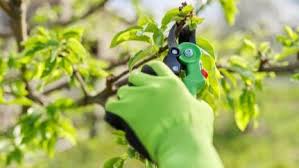
Pruning is an important technique for maintaining tree structure and reducing potential hazards. Removing dead, broken, and diseased branches can improve the tree’s overall condition. However, pruning should be performed carefully to avoid unnecessary wounds. Large branches should be handled by trained professionals who understand proper cutting techniques.
5. Preventing Damage from Harmful Pests
Insects and other pests can weaken trees by damaging leaves, bark, and roots. Regular inspections help detect infestations before they spread. Keeping the surrounding area clean, maintaining healthy growing conditions, and encouraging beneficial insects can reduce pest problems. Chemical treatments should only be used when necessary and according to appropriate safety instructions.
6. Protecting Trees from Physical Injuries
Physical damage can seriously affect tree health and stability. Lawn equipment, vehicles, construction work, and careless activities may injure trunks and roots. Installing protective barriers where needed and avoiding unnecessary digging can reduce these risks. Trees should also be given sufficient space to grow naturally.
7. Encouraging Community Tree Care Programs
Communities can play an important role in protecting local trees. Residents can participate in tree-planting campaigns, maintain neighborhood gardens, and educate others about environmental conservation. Schools and organizations can arrange activities that teach people how to water, protect, and maintain trees properly. Collective participation creates stronger environmental awareness.
Conclusion
Comprehensive tree maintenance is necessary for preserving natural resources and supporting environmental sustainability. Regular inspections, proper watering, healthy soil management, careful pruning, and pest prevention all contribute to strong and long-lasting trees. Everyone can make a positive difference by protecting existing trees and planting suitable new ones. Through responsible tree care, we can create healthier communities and a greener planet for future generations.
Leave a Reply