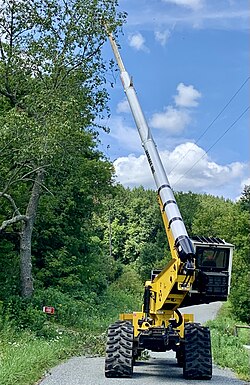
A healthy landscape depends on the condition of its trees. Whether growing in a residential backyard, a commercial garden, or a large outdoor property, trees provide important environmental and practical benefits. They create shade, improve air quality, reduce soil erosion, and contribute to the natural beauty of their surroundings. Keeping trees in good condition requires consistent maintenance, careful observation, and an understanding of their changing needs.
One important part of maintaining healthy trees is recognizing the importance of proper planting. A tree planted in an unsuitable location may struggle with limited sunlight, poor drainage, or insufficient growing space. Before selecting a species, property owners should consider local climate conditions, soil characteristics, and the tree’s expected mature size. Choosing a variety that naturally adapts to the environment can reduce future maintenance requirements and encourage stronger development.
Root care is equally important because roots support the entire structure of a tree. They absorb water and nutrients while anchoring the tree firmly in the ground. Activities such as excavation, construction, and heavy vehicle traffic can damage roots or compact surrounding soil. These problems may affect tree health even when visible branches and leaves initially appear normal. Maintaining an undisturbed growing area around established trees helps protect their root systems.
Watering practices should be adjusted according to seasonal conditions and individual tree requirements. Newly planted trees need regular moisture while their roots become established. During extended dry periods, mature trees may also benefit from additional watering. Applying water gradually allows it to penetrate deeper into the soil and reach important root areas. However, excessive watering should be avoided because poor drainage can create conditions that encourage root deterioration.
Mulching is a simple maintenance practice that offers several benefits. Organic materials such as wood chips, shredded bark, and composted leaves help conserve soil moisture and reduce weed competition. They also moderate soil temperature and gradually contribute organic matter as they decompose. A properly maintained mulch layer can create a more favorable environment for root development. It should be spread evenly around the tree without covering the trunk or root flare.
Regular pruning helps maintain a balanced canopy and reduces potential safety concerns. Trees naturally develop branches that may become weak, damaged, or diseased as they age. Removing problematic branches when appropriate can improve airflow and prevent interference with nearby structures. Proper pruning also helps maintain the natural shape of the tree. However, excessive cutting can reduce healthy foliage and create unnecessary stress, making professional guidance valuable for larger maintenance projects.
Another important responsibility is monitoring for pests and diseases. Insects may feed on leaves, damage bark, or weaken branches from within. Diseases can affect roots, trunks, and foliage, sometimes causing gradual deterioration. Warning signs include unusual leaf discoloration, premature leaf loss, damaged bark, and visible fungal growth. Identifying the source of these symptoms is important before deciding on a treatment. Regular inspections can help property owners address concerns before they become severe.
Weather conditions can create additional challenges throughout the year. Strong winds, heavy rainfall, snow, and extreme temperatures may damage branches or affect root stability. Trees with existing structural weaknesses can become particularly vulnerable during storms. Inspecting large trees before severe weather seasons helps identify potential hazards. Broken or unstable branches should be assessed by qualified professionals, especially when they are located near homes, vehicles, or walkways.
Professional tree care services can help property owners manage complex maintenance requirements. Qualified arborists understand tree biology and can evaluate structural conditions, identify diseases, recommend pruning methods, and assess whether a damaged tree can be preserved. Their expertise is particularly valuable when dealing with mature trees and potentially dangerous situations.
Maintaining a healthy landscape requires a long-term commitment to responsible tree care. Suitable planting locations, balanced watering, healthy soil, careful pruning, and routine inspections all contribute to better tree development. By addressing small problems early and seeking professional assistance when necessary, property owners can protect their trees and enjoy attractive, safe, and environmentally healthy outdoor spaces for years to come.
Leave a Reply