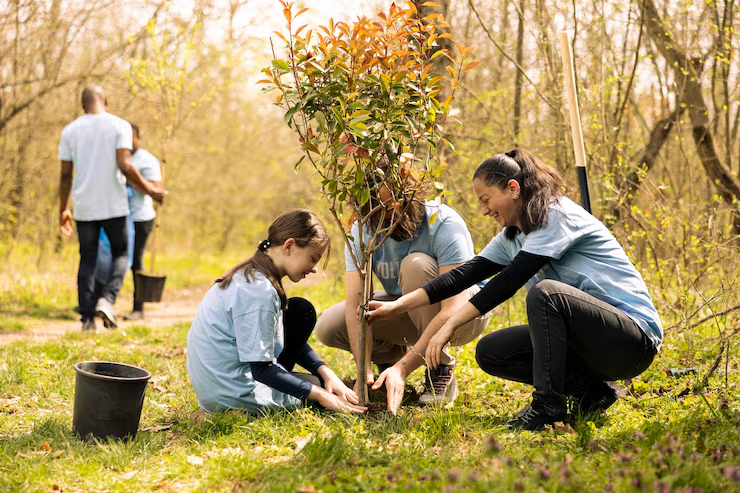
Trees are among the most valuable natural resources on our planet. They provide oxygen, absorb carbon dioxide, improve air quality, and help regulate the climate. They also create habitats for wildlife, protect the soil, and make outdoor spaces more attractive. However, environmental pollution, changing weather conditions, and improper maintenance can negatively affect tree health. Effective tree preservation techniques are necessary to protect trees and ensure their continued growth.
1. Selecting the Best Planting Environment
The environment where a tree grows has a significant impact on its health. Before planting, consider the soil type, available sunlight, water supply, and surrounding space. Selecting species that are suitable for local weather conditions helps reduce environmental stress. Native trees are often excellent choices because they are adapted to the local ecosystem.
2. Encouraging Strong Root Systems
A healthy root system provides stability and allows trees to absorb water and nutrients. Proper planting depth, suitable soil conditions, and adequate watering encourage root development. Avoid excessive digging and heavy pressure around the root zone. Maintaining healthy soil helps trees remain stable and withstand environmental challenges.
3. Maintaining Proper Tree Shape
Tree structure affects both appearance and safety. Regular inspections can identify branches that are damaged, diseased, or growing in an unstable direction. Appropriate pruning helps maintain a balanced canopy and reduces the possibility of falling branches. Large pruning jobs should be completed by trained tree-care professionals.
4. Managing Nutrients and Soil Conditions
Trees require nutrients to support healthy growth and development. Soil testing can help identify nutrient deficiencies and determine whether additional fertilizers are necessary. Organic compost can improve soil quality and provide essential nutrients. Maintaining suitable soil moisture and avoiding unnecessary chemical applications also support long-term tree health.
5. Protecting Trees from Seasonal Damage
Different seasons create different challenges for trees. Hot weather may increase water requirements, while heavy rainfall can cause waterlogging. Strong winds may break branches or weaken unstable trees. Regular seasonal inspections and appropriate maintenance help reduce these risks and keep trees in good condition.
6. Supporting Trees in Residential and Commercial Areas
Trees in residential gardens, parks, and commercial landscapes need protection from human activities. Avoid damaging trunks, cutting roots, or placing heavy materials near growing trees. Provide enough space for branches and roots to develop naturally. Proper landscaping plans can help preserve trees while maintaining attractive outdoor environments.
7. Promoting Long-Term Environmental Benefits
Healthy trees provide benefits that extend beyond individual properties. They help reduce urban heat, support wildlife, improve air quality, and contribute to climate protection. Communities can increase these benefits by planting suitable species, protecting mature trees, and maintaining existing green spaces. Environmental awareness programs can encourage more people to participate in conservation activities.
Conclusion
Effective tree preservation requires regular attention, suitable growing conditions, and responsible maintenance. Protecting roots, managing soil nutrients, maintaining healthy branches, and preventing seasonal damage can help trees grow stronger and live longer. Individuals and communities should recognize the importance of preserving trees and protecting natural habitats. Every effort toward tree care contributes to a cleaner environment and a more sustainable future.
Leave a Reply